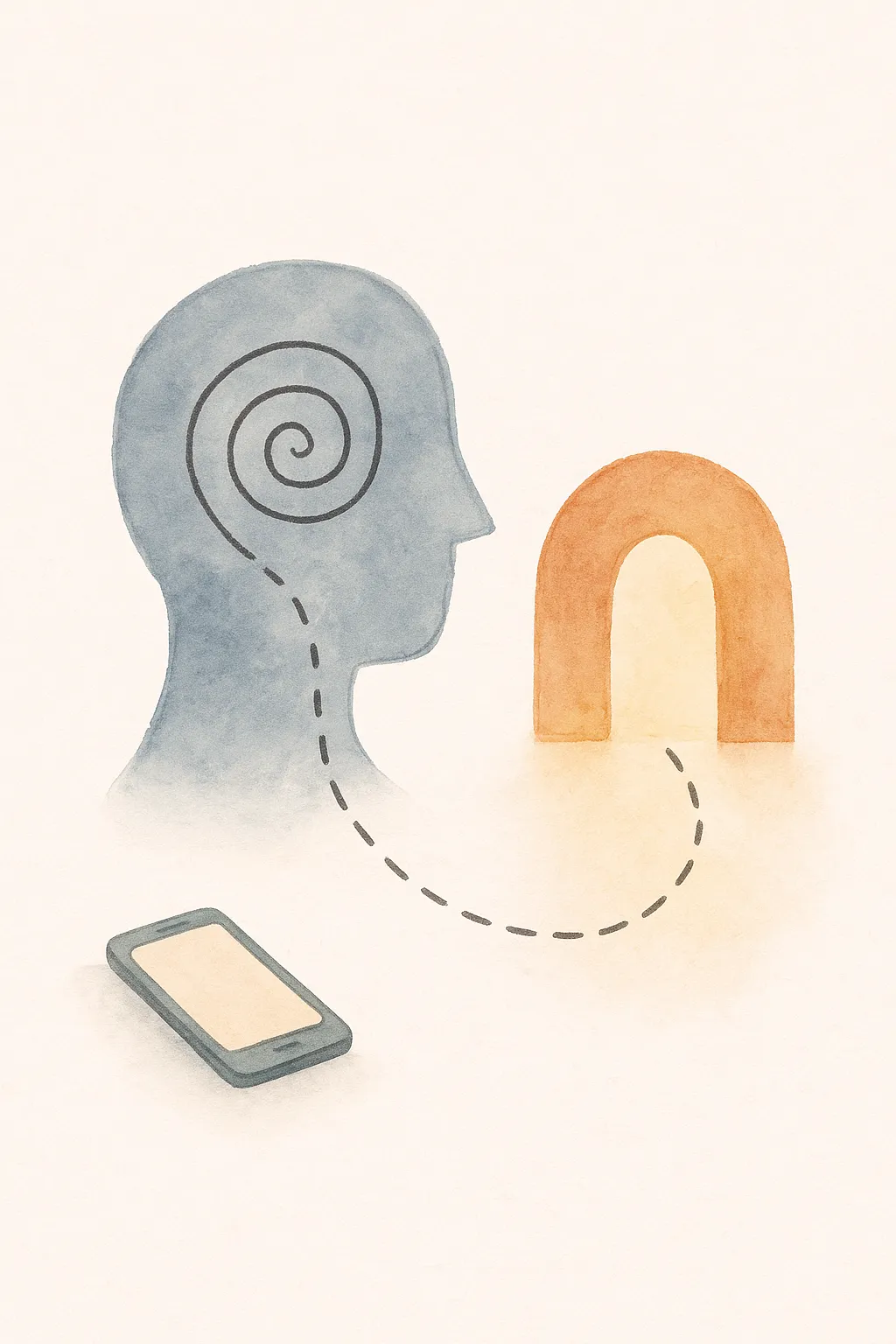
You're standing three feet away from someone who just made you laugh. They're still smiling. The moment is right there — warm, open, practically lit up with possibility. And then your brain does something cruel: it starts drafting a risk assessment. What if it comes off weird? What if I misread this? What if I say something stupid? By the time you've finished the internal committee meeting, the moment is gone.
That's the thing about in-person flirting that nobody warns you about. It's not about having the right line. It's about being present enough — and fast enough — to act when the moment actually exists. Unlike texting, where you can draft and delete and think for twenty minutes, real life doesn't pause for you.
So the question isn't what to say. It's how to stop freezing, read the room accurately, and use your body and timing to do most of the heavy lifting. That's what this is actually about.
Here's the first thing worth knowing: there's a concept called The Approach Window. The idea is that a social moment — the kind where flirting is natural and welcome — opens briefly and then closes. Research on social anxiety and approach behavior suggests that if you don't act within about three seconds, your brain starts generating reasons not to. The window doesn't stay open while you deliberate. It closes, and the energy shifts. Understanding this changes how you think about in-person flirting entirely — it's less about preparation and more about recognizing the window and stepping through it.
Why Does In-Person Flirting Feel So Different From Texting or Apps?
In-person flirting is harder than texting because everything happens in real time — your face, your voice, your timing, and your body language are all transmitting information simultaneously, and you can't edit any of it. There's no backspace. The feedback is instant and unfiltered, which raises the stakes in a way that a screen never does.
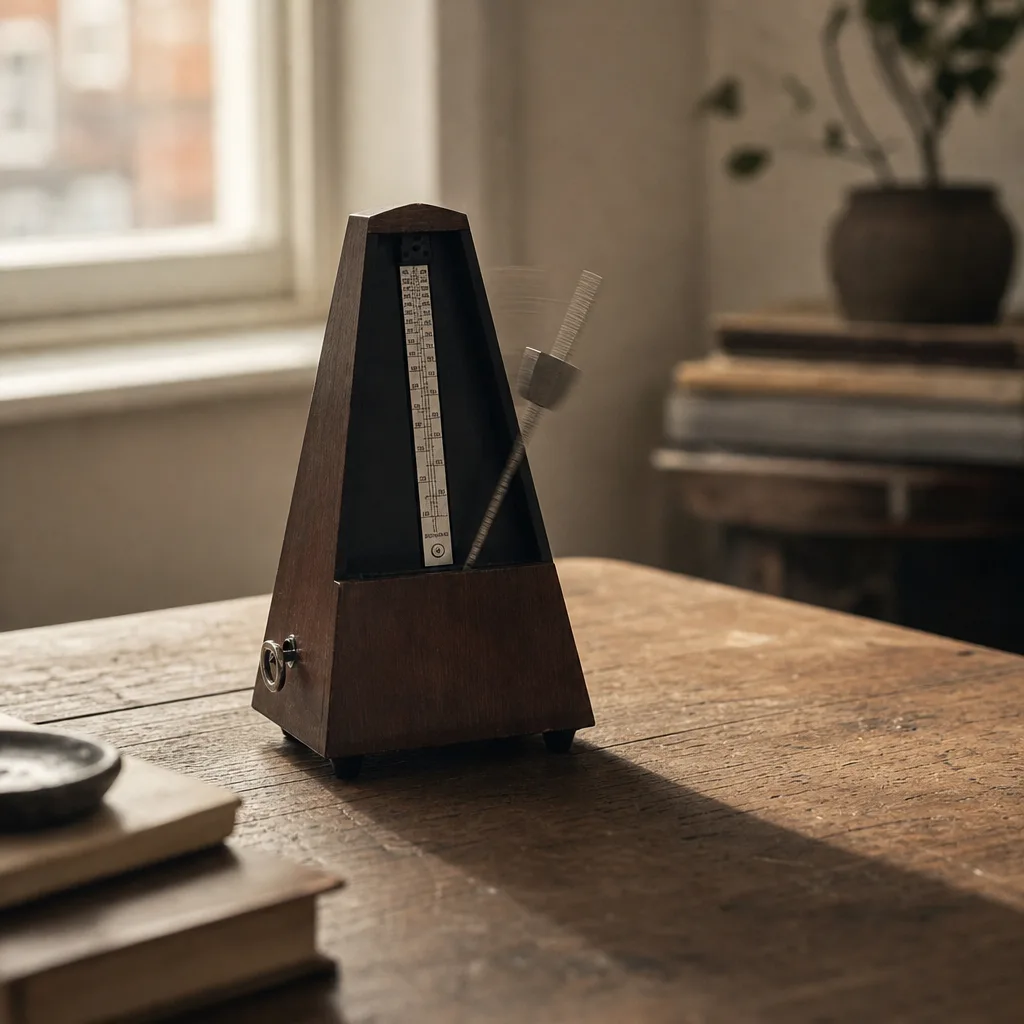
On an app, you're essentially a copywriter. You have time, distance, and the ability to revise. A lot of people get genuinely good at flirting over text because the medium rewards thoughtfulness and wit. In person, those same skills matter a lot less. What matters more is whether you're relaxed, whether you're actually listening, and whether your presence signals interest without broadcasting desperation.
The other big difference is that in-person flirting is inherently body-first. Studies on communication consistently show that tone, eye contact, and posture carry more weight than the actual words being said. When someone finds a person attractive in real life, they're responding to a whole package — micro-expressions, how close they're standing, whether they're leaning in. None of that exists in a text thread.
This is hard not because something is wrong with you, but because nobody actually teaches this stuff. You probably got some version of "just be yourself" growing up, which is genuinely the least useful advice ever given. In-person flirting is a skill with specific mechanics, and mechanics can be learned.
What Actually Makes In-Person Flirting Work — and What Most People Get Wrong?
The mechanics that actually work in person come down to three things: eye contact held a beat longer than usual, body orientation, and the willingness to let a moment breathe. That last one is underrated. Most people, when they're nervous, fill every silence. But a well-timed pause — where you hold someone's gaze and let the moment exist — communicates more than any clever line.
Eye contact is probably the most powerful tool you have, and most people either avoid it entirely or overdo it to the point of being unsettling. The sweet spot is holding eye contact slightly longer than feels "normal" in a regular conversation, then looking away naturally. It signals that you're interested without being intense. If they hold it back, that's signal. That's data.
Body orientation matters more than people realize. Turning your whole body toward someone — not just your head — is one of the clearest nonverbal signals of genuine interest. Mirroring their posture subtly (leaning when they lean, relaxing when they relax) builds rapport without a single word. If you want to understand more of what's happening beneath the surface of these interactions, learning to read body language on a date gives you a real edge.
What most people get wrong is treating in-person flirting like a performance — something they do at someone. Real flirting is more like a conversation where both people are quietly asking "are you interested?" and responding to the answer. It's collaborative, not one-directional. The moment you're trying to impress rather than connect, the energy shifts and the other person feels it. Part of what makes this work is knowing how to show interest without being too obvious — signaling attraction clearly enough to move things forward without tipping into pressure or performance.
How Do You Start Flirting With Someone You Just Met Without Freezing Up?
This is where The Approach Window becomes practical. The freeze happens because you give your brain time to build a case against acting. Three seconds sounds arbitrary until you realize it's roughly how long it takes for hesitation to become a story — they're probably busy, they probably don't want to be interrupted, I'll do it later. Later never comes. The window closes.
The fix isn't to think faster. It's to shrink the first move to something so small it barely registers as a risk. You're not trying to open a relationship in the first sentence — you're just making contact. A comment about something actually happening in the room, a genuine reaction to something they said nearby, or even just making eye contact and smiling before you say anything. The goal of the opener is only to get a response. That's it. If you're not sure how to talk to someone you don't know, starting with a low-stakes observation about your shared environment is almost always the right move.
Once you're in a conversation, the skill shifts to approaching without being awkward — which mostly means staying curious rather than trying to be interesting. Ask something that has a real answer. React to what they actually say, not what you planned to say next. People remember how you made them feel in a conversation far more than they remember the specific words.
If the idea of initiating still feels like a lot, it helps to have done some reps in lower-stakes situations first. Improving at talking to people you like is genuinely a practice skill — it gets easier with volume, not with more planning. This is exactly the kind of scenario the practice mode in Dating Coach is built for: running through the moment before you're in it for real.
Before you read on — think of one upcoming situation where The Approach Window might open for you. A regular coffee shop, a class, a work event. What's the smallest possible first move you could make?
Take 10 seconds. Then keep reading — the next section shows what kills the moment after you've entered it.
Pick one real-world situation this week where you're likely to be around someone you find interesting — a class, a gym, a regular café, anywhere with a natural reason to be there.
- Before you go, decide in advance that you will make eye contact and hold it one beat longer than usual with at least one person. That's the entire commitment.
- If they respond (smile, hold it back, look again), say one thing — anything grounded in what's actually happening around you. Don't plan it. React to the room.
- After, notice what happened in your body in the three seconds between seeing the window and acting (or not acting). That gap is what you're training.

What Are the Most Common In-Person Flirting Mistakes That Kill the Vibe?
The most common one is over-explaining yourself. Someone who's nervous tends to fill silence with justification — "I don't usually do this, but..." or "Sorry, this might be weird, but..." Prefacing a comment with an apology signals that you don't trust the interaction, and that energy is contagious. The other person starts feeling awkward because you've told them they should.
Another big one is ignoring the feedback loop entirely. Flirting in person is a two-way signal system, and if you're so focused on what you're going to say next that you're not tracking how they're responding, you'll miss the information that tells you whether to lean in or ease off. Watch for signs of attraction — are they turning toward you, finding reasons to keep the conversation going, laughing more than the jokes warrant? Or are they giving short answers and scanning the room? Both are useful data.
Trying too hard to be funny is another one. Humor works in flirting when it's reactive — when you're riffing on something that's actually happening. Prepared jokes or forced wit land flat because the other person can feel the performance. Dry, low-key observations about the shared environment almost always land better than anything rehearsed. This dynamic is especially common in louder, more social settings — if you've ever wondered how to approach someone at a bar without relying on rehearsed lines, the same principle applies: react to what's actually in front of you.
And then there's the mistake of not moving things forward when the moment is clearly there. A lot of people are good at the warm-up and then stall indefinitely. If the conversation is going well and you want to see them again, say so. Asking someone out without it being awkward is mostly about doing it before you've built it up into something enormous in your head. Keep it light, keep it direct, and let them respond.
How Do You Know When In-Person Flirting Is Landing — and What to Do Next?
The clearest signs are physical: they're orienting their body toward you, the conversation keeps finding reasons to continue, and there's a quality of attention that feels different from polite small talk. They're laughing at things that are only mildly funny. They ask you follow-up questions. These are the signals worth learning to read — and if you want a deeper breakdown, telling if someone is actually flirting with you covers the specifics in more detail.
When it's landing, the next move is simple: don't overcomplicate it. The window is open — use it. If you've been talking for a while and there's clear mutual interest, transitioning to something concrete ("I'd love to grab a drink sometime — are you around this week?") is cleaner than letting the moment dissolve into vague "we should hang out sometime" energy that leads nowhere. Starting the conversation is one skill; closing the loop is another, and both matter.
If it's not landing — if they're giving short answers, not asking questions back, or physically angling away — that's also useful information. It's not a verdict on you as a person. It's just this particular moment, with this particular person, not connecting. The skill is in reading that accurately and exiting gracefully rather than pushing harder. Knowing when to step back is part of what makes someone good at this.
The Approach Window works in both directions here. Just as there's a moment to enter, there's a moment to close — to ask for a number, suggest a plan, or simply say it was great meeting them and mean it. Miss that window and the energy dissipates. Catch it and you've turned a conversation into something that might actually go somewhere.
In-person flirting is a body-first skill. The words matter less than you think. Eye contact, presence, timing, and the willingness to act when the window is open — those are the actual mechanics. You can practice every piece of this in real life, in low-stakes situations, one small move at a time. The people who get genuinely good at this didn't figure out a magic script. They just stopped waiting for the perfect moment and started entering the ones that were already there.
When you practice this consistently, something shifts: you stop experiencing these moments as high-stakes tests and start experiencing them as conversations. That's when flirting stops feeling like something you do and starts feeling like something you are.